

You walk out of treatment with a duffel bag and a lot of hope — and the question: what now? I once met a client (call him ‘Marcus’) who left a 30‑day program and floundered for weeks until he found a structured sober living home that matched his goals. This piece is for you: clear, practical, and slightly opinionated about why the right aftercare (sober living, IOP/OP, alumni support) matters — especially in West Palm Beach.
Sober Living Environment — What Happens Sober Living
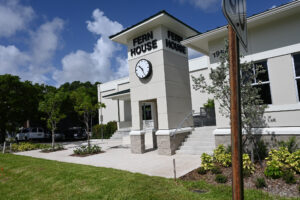
In Sober Living West Palm Beach, you step into a Structured Living Environment that helps you practice recovery in everyday life. A Sober Living Home is not the same as treatment: you get structure and accountability, but it typically does not include clinical outpatient services on-site. Instead, you live with others in recovery while you build routines, follow house rules, and stay connected to counseling and support groups through providers like Fern House West Palm Beach and local partners.
Dr. Luis Herrera, Program Director at Fern House West Palm Beach: “A structured living environment gives people the scaffolding to practice recovery in real life — it’s where therapy meets daily habit.”
Daily Structure: Routine, Responsibility, and Work/School
When people ask What Happens Sober Living, the short answer is: you relearn a steady routine. Most homes expect you to work, attend school, or actively job search while keeping up with recovery commitments.
- Morning and evening routines (wake-up times, check-ins, planning your day)
- Chores to keep shared spaces clean and teach follow-through
- Curfews so your schedule supports sleep and stability
- House meetings to review expectations and resolve issues early
- Job search expectations (applications, interviews, proof of effort)
House Rules That Protect Substance Free Living
Substance Free Living is enforced through clear rules and consistent consequences. Many Florida homes follow standards similar to certified residences (Florida has 430+ certified sober living homes), which often include:
- Zero tolerance policies for alcohol and drugs
- Random and scheduled drug testing as a standard accountability tool
- Graduated sanctions to correct behavior early:
- Warning and written plan
- Loss of privileges (curfew changes, reduced outings)
- Discharge if safety or sobriety is at risk
Therapy & Peer Support: Counseling, 12-Step, and Check-Ins
Even though a Sober Living Home is not a clinical program, you’re usually required to stay active in recovery. That often means attending counseling and 12-step meetings, plus regular peer accountability.
- Group therapy sessions through an outpatient provider (when scheduled)
- Individual therapy counseling to work on triggers, stress, and goals
- Mandatory peer check-ins (roommate accountability, sponsor contact, or house mentor)
Some programs also coordinate closely with outpatient teams. For example, Olympic Behavioral Health highlights a common support model with a 3:1 client-to-counselor ratio, which shows how frequent guidance can stay connected to your daily life.
Real-World Example: Sunset House Campus Model
A helpful local example is Sunset House in Palm Beach Gardens: a 34-bed sober living community operating since 1996 on a 1.5-acre campus. This model shows how you can have both privacy (space to reset) and community (built-in peers, shared rules, and daily accountability) while you practice recovery in real time.
Transitional Housing Program & Accommodations for Sober Living
When you leave primary treatment, you may still need structure while you rebuild your daily life. A Transitional Housing Program gives you a stable, sober place to live while you stay active in recovery and practice real-world responsibility. In West Palm Beach, this step often works best when you treat housing as part of your aftercare plan—not just a place to sleep.
Jane Thompson, Alumni Coordinator at Fern House West Palm Beach: “The right accommodations remove excuses — when residents sleep, eat, and meet in a sober home, recovery becomes a shared day-to-day practice.”
Transitional Housing Requirements: What You’re Expected to Do
Transitional Housing Requirements are designed to keep you accountable while you build independence. Most Transitional Housing Programs expect steady participation in outpatient care, such as IOP or OP, along with clear goals for work or school.
- Outpatient participation: You attend scheduled IOP/OP sessions, therapy, and recovery meetings as required.
- Employment or education: A common requirement is that you work part-time (or more) or attend school while you live in the home.
- Drug and alcohol testing: Random or scheduled testing helps protect the house and supports your progress.
- House rules: Curfews, chores, meeting attendance, and respectful behavior are non-negotiable.
This structure supports your Independent Living Transition by helping you practice consistency—showing up, following through, and handling stress without using.
Accommodations for Sober Living: What the Home Is Like
Accommodations for Sober Living can vary, but the goal is the same: remove chaos and reduce triggers. Many sober living homes offer a mix of shared and private bedrooms, plus furnished common areas so you can focus on recovery instead of basic setup.
- Bedrooms: Shared rooms are common; some homes offer private rooms based on availability and cost.
- Furnished spaces: Living rooms, kitchens, and dining areas are typically set up for daily use.
- Staffed oversight: Many homes include house managers or staff support to help enforce rules and respond to issues.
- Relapse protocols: Clear steps are in place if you return to use, often including assessment, increased support, or removal from the home.
Accountability: Graduated Sanctions and Serious Infractions
To keep the environment safe, many homes use a graduated sanctions approach. It often looks like this:
- Warning
- Loss of privileges (curfew changes, extra check-ins, restricted outings)
- Discharge for severe violations
Serious infractions—like violence, bringing substances onto the property, or repeated use—can lead to immediate discharge. This protects everyone’s recovery, including yours.
Delray Beach Model: A Proven Recovery Community Nearby
While you’re in West Palm Beach, you’re also close to Delray Beach, recognized as a model recovery community in Palm Beach County. Delray Beach offers a concentrated set of recovery resources—meetings, sober activities, outpatient services, and peer support—that has helped many people build stable routines and long-term outcomes. If your goal is a strong Independent Living Transition, being near that kind of recovery network can make daily follow-through easier.
Integrating Outpatient Programs — IOP & OP with Sober Living
When you choose sober living in West Palm Beach, you do not have to “pick” between housing and treatment. Integrating Outpatient Programs (IOP and OP) with sober living helps you build a steady routine where recovery support shows up every day. This is how many Comprehensive Treatment Programs create a continuum of care—a connected path from structured treatment to real-life independence. Research and real-world experience both show that this kind of coordination lowers relapse risk because you keep consistent supports in place.
How integration works day to day
You live in a sober living home while attending Outpatient Programs Services during the week. Depending on your plan, that can include:
- Group Therapy Sessions to practice coping skills, communication, and relapse prevention with peers
- Individual Therapy Counseling to work on triggers, trauma, mental health, and personal goals
- Medication management (when needed) to support mental health and recovery stability
- 12‑Step Programs Recovery meetings as a common requirement for accountability and community
Most sober living homes require participation in outpatient counseling and 12‑step meetings. That requirement is not meant to control you—it is meant to keep you connected to care while you rebuild work, family, and daily responsibilities.
Dr. Maria Sanchez, Clinical Psychologist: “Pairing outpatient programs with sober living bridges the gap between treatment and independent life — it’s the difference between hope and habit change.”
Why combining IOP/OP with sober living helps you stay on track
IOP and OP give you clinical structure, while sober living gives you a stable, substance-free place to apply what you learn. When your housing rules and treatment plan work together, you get clear expectations and fewer “gray areas.” This structured coordination reduces relapse risk by keeping your supports consistent across settings.
Benefits you may notice include:
- Continuity of care through aligned goals, check-ins, and progress tracking
- More access to Group Therapy Sessions and peer feedback when cravings or stress hit
- Deeper progress through regular Individual Therapy Counseling
- Accountability from combined house rules, curfews, drug testing (if used), and treatment attendance
Example of intensive outpatient support
Some programs offer higher-touch support during this transition. For example, Olympic Behavioral Health highlights a 3:1 client-to-counselor ratio in its transitional housing program, which can mean more frequent guidance and faster help when you feel off track.
Practical tip: match your sober living schedule to IOP/OP
To get the most from integrated care, line up your daily routine so treatment stays non-negotiable. Ask your sober house manager about curfew, transportation, and meeting requirements, then compare that to your IOP/OP hours.
- Confirm your weekly IOP/OP schedule (days, times, location, telehealth options).
- Plan meals, work hours, and chores around therapy—not the other way around.
- Use a simple weekly plan like:
Work → IOP/OP → meeting → sober home.
Alumni Support & Recovery Community Support — Long-Term Outcomes
When you leave sober living in West Palm Beach, your progress does not have to depend on willpower alone. The goal of Aftercare Support Services is to keep you connected to people, structure, and purpose long after you move out. At Fern House West Palm Beach, alumni support is designed to extend the same steady guidance you had in sober living, while helping you build a life that works in the real world.
Recovery Community Support That Keeps You Connected
Strong Recovery Community Support is not just “nice to have”—it is a proven way to protect your sobriety. Alumni programs give you ongoing accountability and social connection, which can reduce isolation and help you respond faster when stress hits. You stay engaged through mentorship, periodic check-ins, and sober social events that remind you you’re not doing this alone.
Michael Rivera, Alumni Mentor at Fern House West Palm Beach: “Alumni networks turn recovery from a private battle into a shared mission — that’s where lasting change lives.”
Over time, your Peer Support Network becomes a practical tool. It’s the friend you can call before a craving becomes a relapse, the mentor who notices you’ve been missing meetings, and the group that celebrates your milestones. This kind of Community Based Recovery matters because peer networks and community support can increase your odds of sustained sobriety by keeping you connected to healthy routines and people who understand what you’re protecting.
Community Based Recovery Resources in Florida
West Palm Beach is part of a larger Florida recovery system that helps you transition from structured housing to independent living. Florida has over 430 certified sober living homes, which strengthens the statewide recovery housing infrastructure and makes it easier to step up or step down in support as your needs change. Alongside alumni connections, you can lean on recovery meetings, local employment networks, and community partners that help you stay stable while you rebuild.
Long-term outcomes are not only measured by “not using.” A common outcomes metric is sustained engagement in work or school while staying sober. That’s why Employment Education Goals are central to aftercare: you’re not just avoiding relapse—you’re building a future you don’t want to escape from.
Future Trends: Digital Tools and Real-Life Success Measures
Aftercare is also changing with technology. Future advancements are expected to emphasize digital tools that strengthen aftercare, including apps for meeting reminders, alumni group chats, and telehealth check-ins when your schedule is tight. These tools can connect you to broader recovery spaces, including global communities, while still keeping your local support close. When you combine tech-based touchpoints with in-person relationships, your Aftercare Support Services become more consistent, more flexible, and easier to use—helping you protect sobriety while you keep moving forward.
TL;DR: Sober living + IOP/OP + alumni support create a practical continuum of care. Choose a structured sober living home in West Palm Beach that enforces rules, connects you to outpatient services, and offers alumni networks for long-term success.