

I still remember the first time I watched a close friend stumble back toward substance use after months of progress. It felt like watching a slow-motion puzzle fall apart: one missed meeting, a hard week at work, a birthday party where the old friends were present. That experience taught me that relapse rarely arrives fully formed — it’s a process with signs, triggers, and choices. In this piece I take a practical, personal look at why relapse happens and the steps I’ve learned (and gathered from experts) to prevent it.
1) Principles & Early Warning Signs (Relapse Prevention Strategies, Warning Signs)
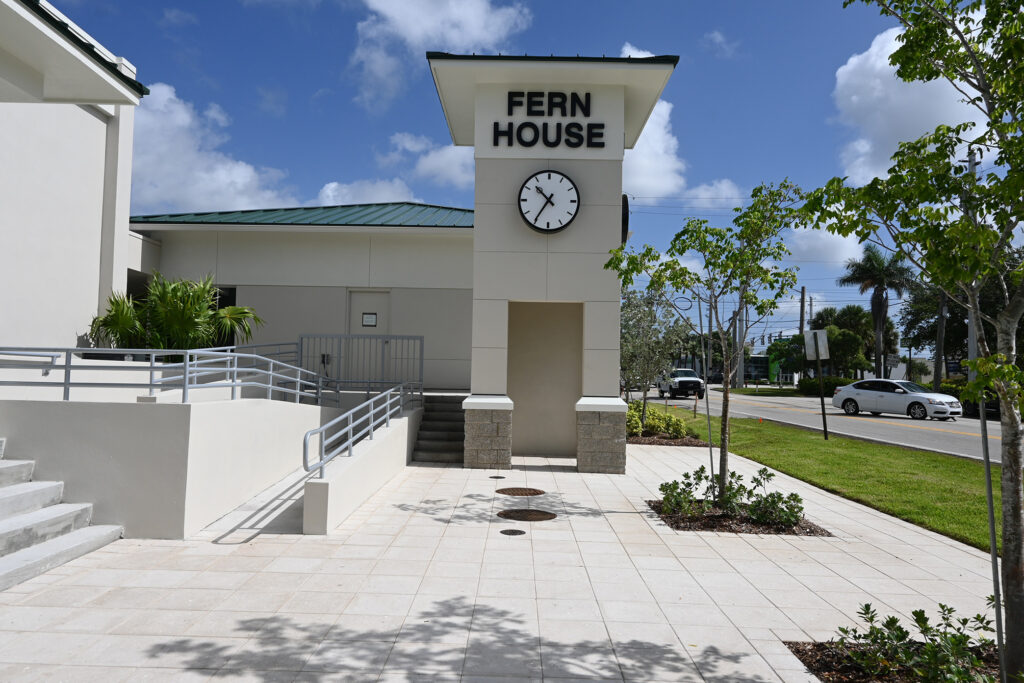
From what I’ve learned through the Fern House approach, Relapse Prevention works best when I treat relapse as a process, not a single event. Many people return to use only after weeks of emotional and mental slipping. That’s why solid Relapse Prevention Strategies focus on anticipating normal recovery challenges and responding early—before a “bad day” becomes a high-risk pattern.
It also helps me to normalize the risk. Relapse rates for drug and alcohol addiction are often cited around 40–60%, which is comparable to other chronic diseases. That comparison reminds me that setbacks can happen even with effort, and the goal is to adjust the plan, not to give up.
“Relapse is not a moral failure; it’s a signal that the plan needs adjustment,” — Dr. Karen Fields
Core Principles: Self-awareness & Triggers Identification
Two basics guide my prevention plan: Self-awareness and Triggers Identification. Research-backed insights emphasize self-monitoring of thoughts and emotions to spot high-risk patterns. When I track what I’m feeling and thinking, I can see the build-up—stress, resentment, boredom, or loneliness—before it pushes me toward old coping habits.
Common Warning Signs to Watch Early
These Warning Signs often show up long before any physical relapse:
- Isolation (canceling plans, avoiding supportive people)
- Skipping meetings or dropping routines that keep me grounded
- Glamorizing past use (“It wasn’t that bad,” “I miss it”)
- Sleep disruption (too little, too much, or restless nights)
- Rising stress without healthy outlets
Simple Self-Monitoring Tools (Daily + Weekly)
I keep it simple and measurable, because small changes are easier to catch than big crises:
- Daily mood log (1–10 rating + one sentence on what drove it)
- Mood checklist for anger, anxiety, sadness, cravings, and fatigue
- Brief daily alerts on my phone:
HALT? (Hungry, Angry, Lonely, Tired) - Routine check-ins: weekly therapist check-ins or a trusted support call
When I notice a deviation—like three days of poor sleep or growing isolation—I treat it as a prompt to use my coping tools and reach out, not as proof I’m failing.
2) Coping Strategies & Lifestyle Adjustments (Coping Strategies, Healthy Habits)
In relapse prevention work (including ideas echoed in Relapse: Why It Happens and How to Prevent It), I’ve learned that Coping Strategies only protect me when I practice them. A list on paper doesn’t help much in a high-risk moment. Routine does. When I repeat the same skills daily, they become automatic, and that increases their real-world power.
Coping Strategies I Practice (Not Just Know)
Mindfulness Techniques are my first line of defense because they slow down the “urge spiral.” I aim for 5–10 minutes daily, even when I feel fine. Before a risky event, I use a simple 10-minute breathing routine:
- Set a timer for 10 minutes.
- Breathe in for 4, hold for 2, out for 6.
- Label thoughts: “craving,” “fear,” “planning”, then return to breath.
Stimulus Control is practical and immediate: I reduce exposure to triggers so I’m not “testing” myself. One clear step is to remove substance-associated items from home immediately—bottles, paraphernalia, numbers, even certain playlists if they pull me back into the old mindset.
Cognitive restructuring helps me counter cognitive errors like “I’ve been good, so I can handle one.” I write the thought, then replace it with something accurate: “One turns into more for me; I’m choosing stability today.” These Coping Strategies work best when I rehearse them on calm days.
“Small daily practices compound into durable recovery habits,” — Dr. Miguel Alvarez
Healthy Lifestyle Adjustments That Lower Risk
A Healthy Lifestyle supports my brain and mood, which lowers relapse pressure. I focus on:
- Sleep consistency: same wake time most days.
- Exercise: short, repeatable sessions.
- Nutrition: regular meals to avoid irritability and cravings.
- Reducing risky social events: I skip parties where substances are central.
I also swap old hangouts for sober-friendly activities—coffee with a supportive friend, a movie, a gym class. One morning, I tried a short run as a mood reset. I didn’t feel “fixed,” but my mind got quieter, and the urge to escape dropped. That’s why I treat Self-care Practices as part of my Coping Strategies, not a reward after I’m already struggling.
3) Structured Support: Therapy, Groups & Residential Treatment (Individual Therapy, Group Sessions, Residential Treatment)
Individual Therapy: a plan built around my triggers
When I look at why relapse happens, I keep coming back to the same issue: my triggers are personal. Individual Therapy helps me map out what sets me off—stress, conflict, boredom, certain places—and then build coping steps I can actually use. In sessions, I can practice cognitive restructuring, which means catching relapse-prone thoughts (“I can handle one drink,” “I’ve earned it”) and replacing them with more honest ones (“One leads to more,” “I’ll regret this tomorrow”). This matches the Fern House approach: relapse prevention works best when it’s specific, practical, and updated over time.
“A treatment plan is a living document—what works at week 2 may need changing by month 6,” — Dr. Lisa Chen
Group Sessions & Support Groups: accountability I can’t fake
Group Sessions give me something I can’t get alone: real-time feedback from people who understand the same pull. Hearing shared strategies—urge surfing, calling a sponsor, leaving high-risk situations early—helps me borrow tools that already work for others. Peer support also reinforces accountability; I’m more likely to pause before acting if I know I’ll talk about it in group. When family involvement is healthy and safe, it adds another layer of accountability and support, especially around boundaries and communication.
- Practice refusal skills and relapse drills
- Learn from others’ warning signs and close calls
- Build routine check-ins through Support Groups
Residential Treatment + Aftercare Programs: structure that holds me up
Residential Treatment can be the right fit when early recovery feels unstable or my environment keeps pulling me back. Evidence-based residential settings often combine structured daily routines, 1:1 counseling, and group modalities so I’m supported all day—not just for an hour a week. Research insights also point to a key reality: residential care plus follow-up Aftercare Programs increases the odds of sustained recovery. After rehab, I’m more protected when I step down into sober living, continued therapy, and ongoing support groups.
- Structured routines (sleep, meals, skills practice)
- Ongoing therapy and relapse-prevention planning
- Aftercare: sober living, outpatient care, Support Groups
Sources: SAMHSA; Lindner Center of Hope; Phoenix FL opioid plan; Odyssey House.
4) Lapse Management, Emergency Plans & Realistic Goals (Lapse Management, Emergency Plans)
Lapse Management: treat a slip as feedback, not failure
In the Fern House approach, I try to see a lapse as a signal that something in my plan needs support—not proof that I “can’t do this.” Lapse Management starts with limiting harm and getting help fast. Research insights back this up: an immediate response (like contacting a therapist and limiting use) lowers the chance a lapse turns into a full relapse.
I use Cognitive Restructuring to challenge shame thoughts. Instead of “I ruined everything,” I practice: “I had a slip. I can respond well and learn what triggered it.”
Emergency Plans: a plan beats panic
“How you respond to a slip defines the trajectory — a plan beats panic every time,” — Dr. Samuel Ortiz
My Emergency Plans are written down so I don’t have to think clearly when I’m stressed. A simple plan includes:
- Who to call: therapist, sponsor/support person, trusted friend (I aim to contact someone within 24 hours of a lapse).
- Safe places: a friend’s house, a meeting, a public space, or anywhere I’m less likely to use.
- Remove access: delete dealer contacts, block apps/sites, hand over cash/cards, avoid high-risk routes.
- Immediate coping script:
“I’m having urges. I need support right now. Can you stay on the phone with me for 10 minutes?”
Short scenario: lapse after stress, plan in action
After a rough work meeting, I stop at a store and buy alcohol. I drink, then feel panic and shame. Instead of hiding it, I follow my plan: I pour out what’s left, text my support person, and schedule a therapist call for the next day (within 24 hours). Then I write down the trigger: stress + skipping lunch + no break. That becomes my next prevention target.
Realistic Goals + Routine Check-in to prevent drift
Realistic Goals keep me steady. I choose measurable steps (sleep, meetings, coping skills) rather than perfection. I also set a Routine Check-in cadence: weekly for the first 3 months, then monthly depending on stability. These check-ins help me adjust early—before a small slip becomes a pattern.
5) Wild Card: Analogies, Anecdotes & A Few Imperfect Thoughts (Support Network, Aftercare Programs)
Recovery Goals Are Like Gardening
I think about Long-term Recovery the way I think about a garden. You don’t “finish” gardening. You keep showing up. Some days you water. Some days you pull weeds. Some days you notice a plant is dying and you replace it without making it a personal failure. In recovery, the weeds are old habits, risky places, and “just this once” thinking. The new plants are routines that actually fit my life: sleep, food, honest check-ins, and Peer Support. When I treat my Recovery Goals like daily tending instead of a one-time win, relapse feels less like a surprise attack and more like a warning sign I can respond to.
“Recovery is mostly ordinary: small daily acts mount up over time,” — Dr. Heather Monroe
My Friend’s “Birthday Test” and the Emergency Plan
A friend of mine called it his “birthday test.” He went to a party thinking he was solid. Then the triggers showed up: familiar jokes, familiar drinks, and that old pressure to be the fun version of himself. He didn’t relapse that night, but he came close—and that scared him in a useful way. The next week, he built a simple emergency plan with his Support Network: leave early without explaining, text two people from his Support Groups, and schedule an extra meeting the next day. He also talked with his counselor about Aftercare Programs that would keep him connected, not just “clean.” That’s the part I keep coming back to: support isn’t a vibe, it’s a plan.
Imperfect Thoughts: Luck, Timing, and Not Moralizing Mistakes
Relapse rates are often compared to chronic conditions like hypertension—around 40–60%. That doesn’t excuse relapse, but it does normalize it as part of a long recovery path. I’ve seen how luck and timing matter too: a stressful week, a sudden breakup, one bad decision at the wrong hour. Small human errors shouldn’t be moralized into “I’m hopeless.” They should be treated like data.
I also think about the hypothetical of moving cities to escape a trigger-heavy social circle. It can help, but it can also cut you off from your people. If I moved, I’d rebuild fast: new Support Groups, steady Peer Support, and Aftercare Programs that last at least 6–12 months post-rehab. Family and friends can add accountability, but ongoing aftercare is what keeps the garden tended when motivation dips.
TL;DR: Relapse is common (40–60%) but preventable. Spot warning signs, use coping strategies, build supportive systems, and have a relapse prevention plan and aftercare to stay in long-term recovery.