
I remember the morning I finally stopped making excuses. Coffee in hand, I watched a neighbor walk past toward work while I couldn’t leave the couch—again. That day I started asking, “Is it time to get help?” This tiny guide comes from that restless morning and from researching local stalwarts like Fern House and Fern Lodge. I’ll be candid, practical, and a little messy—because getting help rarely feels neat.
1) Why I Knew It Was Time (Unexpected signals)
I didn’t wake up one day and decide I needed help. It was smaller, stranger signs that stacked up until I couldn’t ignore them. Dr. Maria Alvarez, Psychiatric Nurse Practitioner, said it best:
“Crisis behavior often looks like chaos on the surface but usually hides months of gradual decline.”
Loss of routine: when “busy” was really falling apart
The first signal was my routine breaking. I started showing up late to work, then not showing up at all. I missed appointments and stopped returning calls because I didn’t want to explain myself. The moment that still stings: I missed a week of rent and lied about it. I told myself it was a one-time mistake, but it was a classic red flag—my life was becoming unmanageable.
Guilt and shame made it worse. I felt embarrassed, so I hid it. That’s normal, but it’s also dangerous because it delays help-seeking.
Escalating use: when Drug and Alcohol Addiction started driving decisions
Next came the slow shift from “using to cope” to Drug and Alcohol Addiction affecting everything—my relationships, my health, and my safety. I became more secretive. I canceled plans. I took risks I wouldn’t normally take. The people around me noticed before I admitted it.
As James Thompson, Fern House Program Director, puts it:
“Responsibility and structure can be the turning points for many men in recovery.”
Crisis signs: when I needed Mental Health Emergency Services
The final signal was crisis-level. I had moments of intense panic, racing thoughts, and scary ideas I didn’t want to have—thoughts of harming myself. That’s when I learned the difference between “having a hard week” and needing Mental Health Emergency Services and Behavioral Health Crisis Care right away.
- Inability to meet obligations (work, rent, appointments)
- Escalating substance use that harms health, relationships, or safety
- Acute mental health symptoms or thoughts of harming self/others
Early crisis intervention matters. Facilities like Fern Lodge—a 16-bed secure acute care facility for adults 18+—provide 24-hour support services and intensive psychiatric treatment when symptoms become urgent and safety is on the line.
2) About Fern House & Fern Lodge: What they actually do
When I talk about getting help, I like to be clear about what help looks like in real life. In this community network (which also includes Fernbrook Family Center Services), I see two different settings that meet two different needs: Fern House Rehabilitation for long-term residential recovery, and Fern Lodge Behavioral Wellness for acute psychiatric stabilization.
Fern House Rehabilitation: Residential Recovery Program with structure
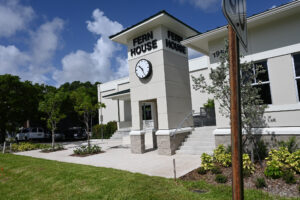
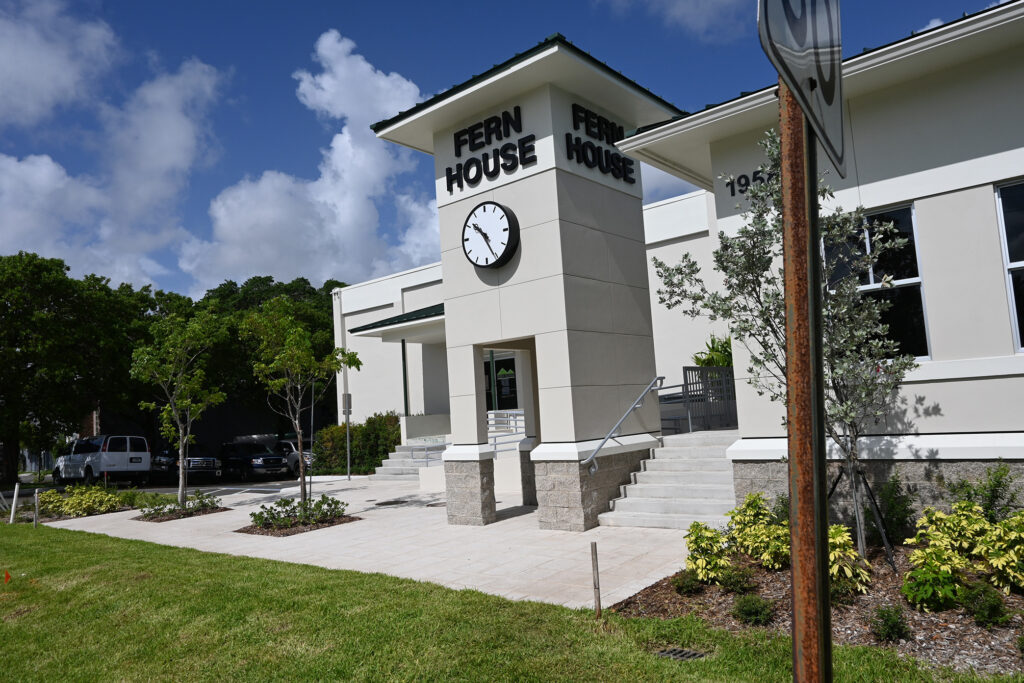
Fern House Rehabilitation is a 501(c)(3) Residential Recovery Program founded in 1983 in West Palm Beach, FL. It serves 260+ indigent men annually and is built around responsibility, employment, and mutual-help fellowship. The program is long-term, highly structured, and follows a zero-tolerance substance use policy.
Small aside: I like picturing the very scheduled Fern House mornings (5:30 AM start)—it reads tough but effective. That kind of routine can help when my life feels chaotic and I need clear expectations.
- Daily structure that supports sober living
- Employment focus to rebuild stability and self-respect
- Mutual-help fellowship to reduce isolation and keep me accountable
Fern Lodge Behavioral Wellness: Intensive Psychiatric Treatment and 24-hour care
Fern Lodge Behavioral Wellness is a 16-bed secure acute care facility in Stanwood, WA. It provides 24-hour psychiatric care for adults 18+, especially when symptoms feel urgent or unsafe. This is where Intensive Psychiatric Treatment and Medical and Clinical Assessment come in—stabilizing first, then planning next steps.
- 24 Hour Support Services in a secure setting
- Individualized assessments to guide treatment decisions
- Emergency-focused stabilization when functioning is breaking down
Wraparound Support Services: the team around the person
Across both sites, care is supported by a mix of registered nurses, clinicians, peer specialists, and social workers offering Wraparound Support Services that connect treatment to real-life needs.
Karen Mitchell, Social Worker: “Wraparound support—from housing help to peer specialists—makes recovery sustainable.”
3) The Rules, Costs, and Daily Life (What I wish someone told me)
Structure is the point in a Residential Recovery Program
What surprised me most at Fern House was how much the day is planned. This isn’t “hang out and hope you feel better.” The program is built on responsibility, discipline, and mutual-help fellowship, because routine helps steady your mind when cravings and stress hit.
Expect early mornings (often a 5:30 AM start), daily meetings, and consistent check-ins. Most evenings include two hours of mandatory personal growth activities—things like recovery readings, step work, skill-building, or structured reflection.
- Daily meetings for Recovery and Sobriety Support
- Early routine to build consistency and accountability
- Evening growth time (about two hours most nights)
James Thompson, Fern House Program Director: “We ask for responsibility because work and routine are therapeutic—it’s part of the recovery scaffolding.”
Costs and the reality of budgeting $280/week
Here’s the number I wish I had planned for: residents contribute $280 per week. That covers housing, meals, utilities, and recovery programming. It can feel steep at first, especially if you’re coming in with debt or unstable income.
One practical tip: if $280/week feels out of reach, ask about sliding scales or partner services that may help bridge the gap while you stabilize.
Employment and Housing Support (and the two-week job rule)
Fern House expects residents to obtain employment within two weeks of admission. This is a core part of their Employment and Housing Support pillar—work builds confidence, structure, and a path to stable living.
Vocational help is part of the program’s Therapeutic Recovery Services, alongside counseling and planning for next steps.
Policies that protect your Long Term Sobriety Goals
The rules are clear: zero-tolerance for substance use. That boundary supports everyone’s safety and keeps the environment focused on recovery.
Therapeutic Recovery Services typically include:
- Individual and group therapy
- Family support and counseling
- Vocational guidance and practical planning
Families aren’t left out—Fern House sponsors free Al-Anon meetings, which can be a lifeline when trust is still rebuilding.
4) Next Steps: How I reached out and the resources I used
Immediate help: crisis lines and Behavioral Health Crisis Care
When I realized my safety could be at risk, I stopped trying to “wait it out.” I called a local crisis line and asked directly about Behavioral Health Crisis Care (Fern Lodge-type services). Having a real person help me sort out what to do next lowered the panic fast. If you’re in danger, this step matters more than any plan or paperwork.
Dr. Maria Alvarez, Psychiatric Nurse Practitioner: “Connecting people quickly to services—clinical or social—reduces emergency visits and improves long-term outcomes.”
Applying to Fern House Rehabilitation and other Addiction Treatment Programs
After the crisis call, I focused on getting into structured care. I reviewed intake criteria for Fern House Rehabilitation and similar Addiction Treatment Programs. I learned that comprehensive options can include detox, inpatient, outpatient, and specialized programs, so I asked which level matched my situation.
If medical stabilization is needed, I was told to consider referrals for Detox and Inpatient Care and Dual Diagnosis Treatment Programs (especially if anxiety, depression, or trauma symptoms are part of the picture).
My practical intake checklist
- Government ID
- Recent medication list (dose + prescriber)
- Emergency contact
- Brief personal statement (what’s happening + what I want to change)
- Proof of local residence or need
- Basic employment plan (even a simple “next steps” list)
Community Mental Health Centers and wraparound support
Once I had appointments scheduled, I leaned on Community Mental Health Centers for continuity. They helped me understand common service paths like Outpatient Care and Intensive Psychiatric Treatment, plus practical supports such as family counseling, transitional housing, and employment assistance.
I also met with Peer Specialists and Clinicians who did an individualized assessment and helped coordinate wraparound services—rides, reminders, and realistic goals—so I didn’t fall off the plan between visits.
Support for families
My family needed help too, and Al-Anon gave them a place to learn boundaries and support without enabling.
Personal tip
I brought a notebook to every call and appointment. Tracking small wins—days sober, job steps, completed forms—helped my morale enormously.
Wild Cards: A quote and a hypothetical
Family Support and Counseling: the “heart” part of the plan
When I think about the signs it’s time to get help, I don’t just think about the hard facts—missed work, broken trust, or feeling stuck. I also think about what keeps someone going once they finally say, “I can’t do this alone.” Fern House runs on structure (their day starts early, around 5:30 AM), and they serve 260+ men each year, but I’ve learned that structure is only half the story. The other half is connection—especially Family Support and Counseling that helps everyone heal, not just the person in treatment.
“Recovery is a messy, human process—structure helps, but heart keeps you going.” —Karen Mitchell, Social Worker.
That quote lands with me because it makes room for real life. Recovery can be uneven. People can be motivated and still struggle. That’s why Fern House’s emphasis on family involvement matters to me. They even sponsor free Al‑Anon meetings for family members, which is a practical way to bring loved ones into the process without adding extra barriers. If I’m honest, I see those meetings as a bridge: they turn worry and confusion into support, boundaries, and clearer communication.
Long Term Sobriety Goals: a small “what if” for after residential care
Here’s my quirky pause—the wild card idea. What if Fern House offered a remote coaching arm? I imagine a simple add-on for people stepping down from residential care: weekly video check-ins with a peer coach for the first 8–12 weeks. Nothing fancy—just a steady face, a short plan for the week, and a place to talk through triggers, work stress, and family tension in real time.
To me, that kind of creative support could protect Long Term Sobriety Goals during the most fragile transition: going from a structured schedule to everyday life. If you’re reading this and wondering when to seek help, my closing thought is simple: if your life feels unmanageable, don’t wait for it to get worse. Reach out, bring your family into the conversation, and choose the next right step—then keep choosing it, one week at a time.
TL;DR: If daily responsibilities slip, substance use escalates, or safety is at risk, consider residential recovery. Fern House Rehabilitation offers structured routines, employment expectations, and wraparound support—learn the signs, costs ($280/week), rules, and immediate next steps.